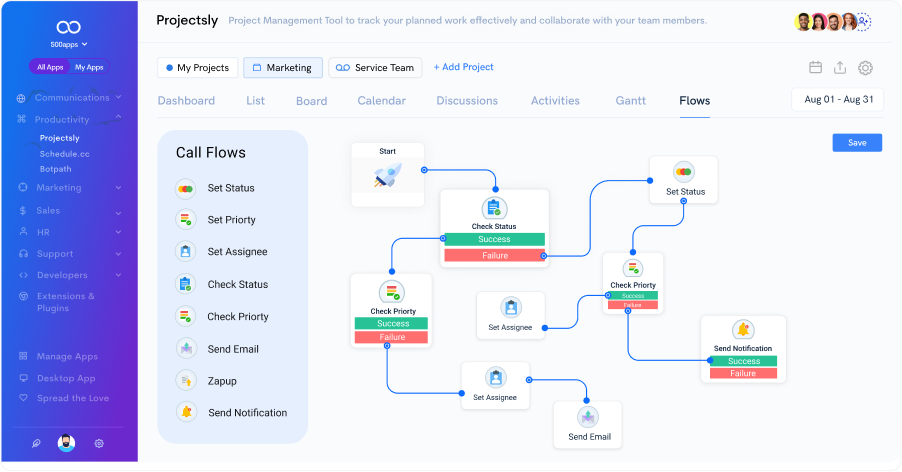
10 Essential Tools for Automating Your Workflow
In today's fast-paced digital world, automating your workflow is crucial for maximizing productivity and efficiency. Below are 10 essential tools that can help you streamline your tasks and focus on what truly matters. Each of these tools offers unique features that can significantly enhance your daily operations, from project management to communication.
- Trello: A powerful project management tool that uses boards, lists, and cards to help you organize tasks visually.
- Zapier: Connects various apps and automates workflows without the need for coding.
- Slack: A communication platform that allows teams to collaborate effectively in real-time.
- HubSpot: An all-in-one marketing, sales, and service software designed to improve efficiency.
- Asana: Task and project tracking software that helps teams stay organized and on track.
- IFTTT: “If This Then That” service that automates actions between different applications.
- Todoist: A task management tool that helps you prioritize and track your to-do lists seamlessly.
- Notion: A versatile workspace that combines notes, tasks, and databases for comprehensive workflow management.
- Google Drive: Cloud storage that allows easy sharing and collaboration on files and documents.
- Calendly: A scheduling tool that automates the process of booking meetings and appointments.
The Ultimate Guide to Streamlining Tasks: How Automation Can Transform Your Productivity
In today’s fast-paced world, automation has emerged as a crucial tool for enhancing productivity across various sectors. By implementing automation, individuals and businesses can streamline tasks, eliminating repetitive processes and minimizing the risk of human error. Whether it’s managing emails, scheduling social media posts, or tracking project timelines, automation enables you to focus on more strategic tasks that require creative thinking and decision-making. By dedicating less time to mundane chores, you will find that your overall efficiency increases, allowing you to achieve more in less time.
To successfully integrate automation into your daily routine, consider following these essential steps:
- Identify repetitive tasks: Start by examining your daily workflow to pinpoint tasks that can benefit from automation.
- Select appropriate tools: Research and choose automation tools that align with your specific needs, ensuring they are user-friendly and compatible with your existing systems.
- Implement and monitor: Begin automating those tasks and continuously assess their effectiveness to make necessary adjustments.
How to Achieve a Stress-Free Work Environment with Workflow Automation
Achieving a stress-free work environment is a priority for many organizations, and implementing workflow automation can be a game changer in this regard. By automating repetitive tasks, businesses can reduce employee stress and free up valuable time for more strategic and creative work. Start by identifying key areas where automation can be beneficial, such as data entry, project management, and communication processes. Once these areas are pinpointed, consider leveraging tools like project management software, automated email responders, and scheduling tools to streamline workflows.
Another effective strategy for creating a stress-free work environment is to involve employees in the decision-making process when it comes to choosing automation tools. When employees feel included, their resistance to change diminishes, leading to a smoother transition. Additionally, provide training and support to ensure everyone is confident in using the new systems. Workflow automation not only enhances productivity but also fosters a culture of collaboration and innovation, ultimately leading to a more relaxed and enjoyable workplace for all.