10 Simple Maintenance Tips to Extend the Life of Your Car
Keeping your vehicle in top shape is crucial for its longevity. Here are 10 simple maintenance tips that can help extend the life of your car:
- Regular Oil Changes: Change your engine oil and oil filter every 3,000 to 5,000 miles to ensure optimal engine performance.
- Check Tire Pressure: Maintaining the recommended tire pressure can enhance fuel efficiency and improve handling.
- Replace Air Filters: Change your engine air and cabin filters regularly to maintain good air quality and engine health.
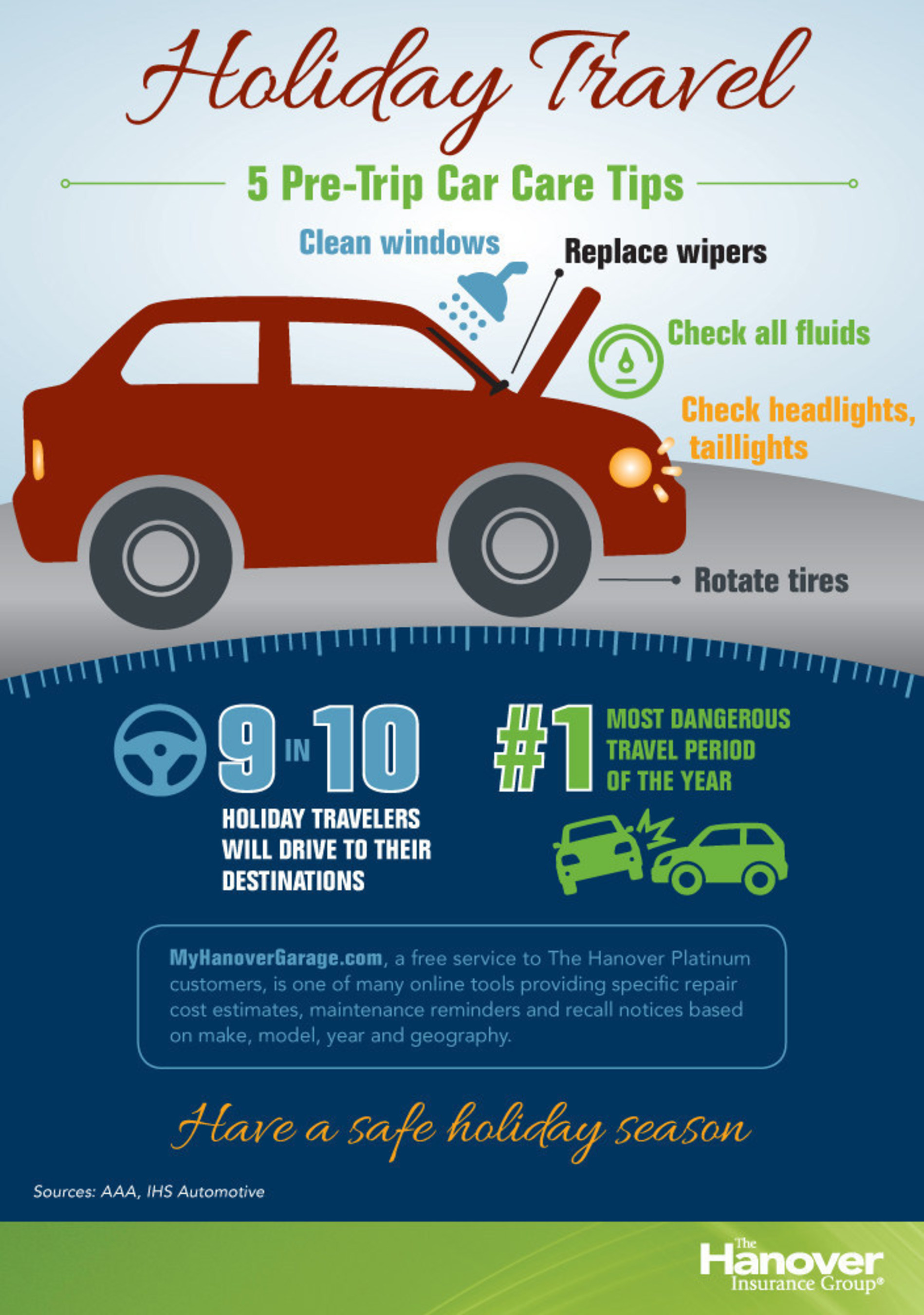
- Inspect Fluid Levels: Regularly check and top off brake, coolant, transmission, and windshield washer fluids.
- Rotate Tires: Rotate your tires every 5,000 to 7,500 miles to promote even wear and extend their lifespan.
In addition to the basics, consider these further maintenance tips to ensure your car runs smoothly:
- Monitor the Battery: Regularly check battery terminals for corrosion and ensure your battery is holding a charge.
- Maintain Brakes: Pay attention to any unusual noises and have your brake pads inspected and replaced as needed.
- Keep it Clean: Regular washes and waxing protect your car’s paint and prevent rust formation.
- Schedule Professional Inspections: Have your vehicle inspected by a mechanic at least once a year to catch any potential issues.
- Drive Gently: Avoid hard accelerations and sudden stops to reduce wear on your engine and transmission.
How Regular Oil Changes Can Save You Money in the Long Run
Regular oil changes are essential for maintaining your vehicle's engine health and can significantly save you money in the long run. When you neglect oil changes, the oil becomes dirty and loses its effectiveness in lubricating the engine components. This can lead to increased friction, overheating, and ultimately, costly repairs. According to many automotive experts, a well-maintained engine can improve fuel efficiency, reducing your overall gas expenses. By prioritizing oil changes, you not only keep your engine running smoothly but also enhance its longevity, which can lead to substantial savings over time.
In addition to preventing expensive repairs, regular oil changes can help maintain your vehicle's resale value. A car with a documented history of timely oil changes is often viewed as more reliable and well-cared-for by potential buyers. This can translate to a higher selling price when it's time to upgrade. Moreover, adhering to a consistent oil change schedule can also improve your vehicle's performance and contribute to lower insurance premiums, as many insurers offer discounts for vehicles that are well-maintained. Overall, investing in regular oil changes is a small price to pay for the financial benefits it brings.
Is Your Car Trying to Tell You Something? Common Signs You Need Maintenance
When it comes to car maintenance, many drivers overlook the subtle signs their vehicle may be trying to communicate. Common signs you need maintenance can manifest in various ways, from unusual noises to warning lights on the dashboard. For instance, if you hear a persistent grinding or squeaking sound, it may indicate worn brake pads that require immediate attention. Similarly, frequent engine misfires or an increase in fuel consumption might suggest that it's time for a thorough inspection of your ignition or fuel system.
Another way your car signals the need for maintenance is through warning lights on the dashboard. Common signs you need maintenance, such as the check engine light or oil pressure warning, should never be ignored. If you notice these indicators, it's essential to address them promptly to avoid further damage. Additionally, look for changes in your vehicle's handling or performance, such as difficulty steering or inconsistencies in braking. Addressing these issues early can save you time and money in the long run, ensuring that your car remains in optimal condition.