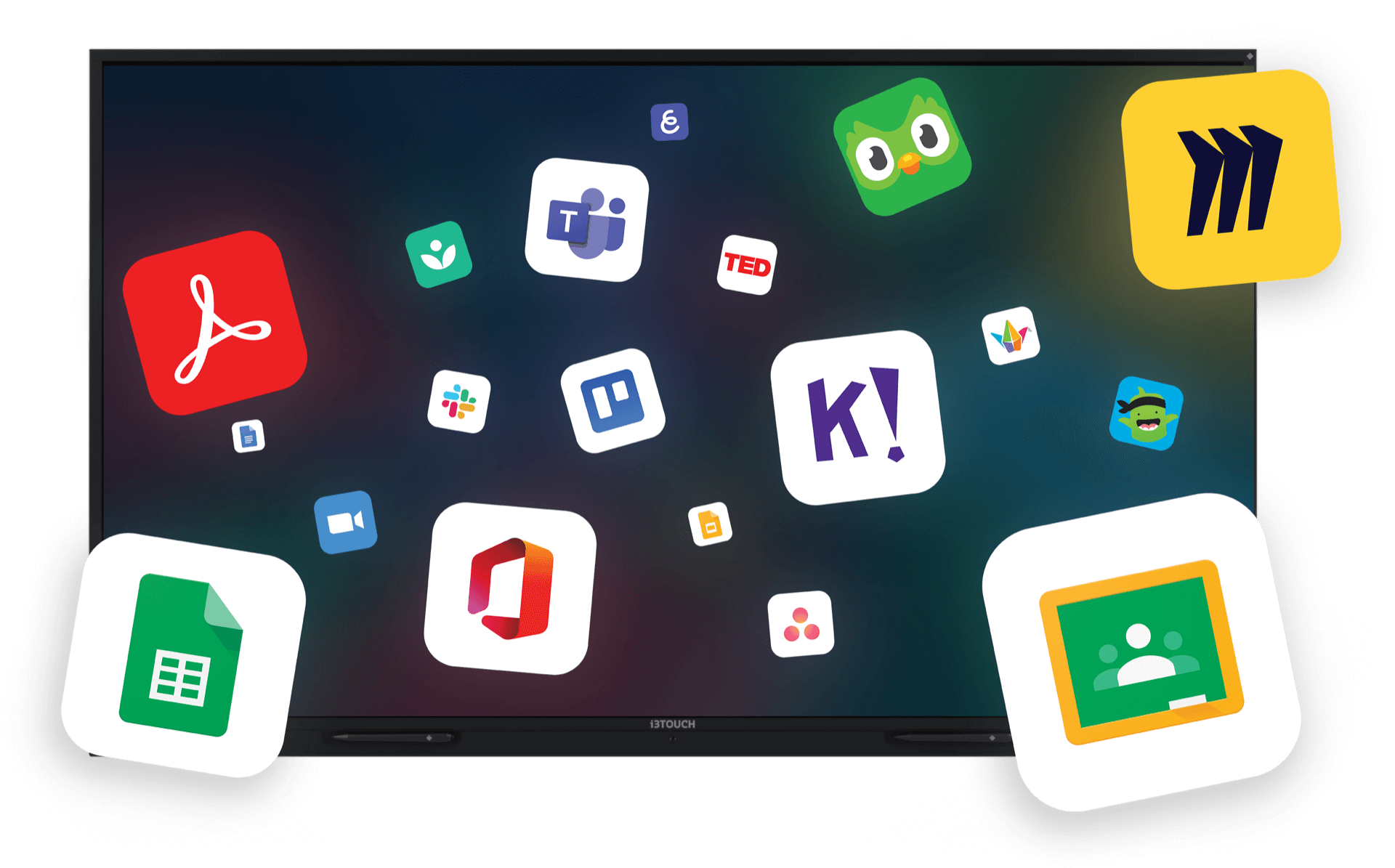
Transforming Education: The Impact of Mobile Learning Apps
In recent years, the educational landscape has been dramatically reshaped by the advent of mobile learning apps. These applications empower students to acquire knowledge anytime and anywhere, breaking the geographical and temporal barriers traditionally associated with education. With the growing accessibility of smartphones and tablets, learners from various backgrounds can engage with *interactive content* that enhances their understanding and retention of information. As a result, mobile learning apps are not only complementing traditional classroom settings, but they are also providing alternative paths for knowledge acquisition that appeal to diverse learning styles.
Moreover, the integration of mobile learning apps fosters personalized education experiences. By utilizing adaptive learning technologies, these apps allow students to tailor their learning journeys according to their individual strengths and areas for improvement. Features such as progress tracking, gamification, and instant feedback motivate learners and promote a sense of achievement. As educational paradigms shift towards more student-centered approaches, the impact of these mobile solutions becomes even more critical in equipping learners with the skills needed in an increasingly digital world.
Top 10 Educational Apps Revolutionizing Study Habits
In today's fast-paced digital world, educational apps are transforming the way students approach their studies. With the convenience of smartphones and tablets, learners can access an array of tools that enhance their productivity and understanding. Here are the top 10 educational apps that are revolutionizing study habits:
- Quizlet: A top choice for creating flashcards and quizzes tailored to individual study needs.
- Kahoot: Engages students through fun quizzes and interactive learning.
- Evernote: A powerful note-taking app that allows for organization and easy access to notes.
- Duolingo: Makes language learning enjoyable with gamified lessons.
- Coursera: Offers access to courses from top universities worldwide.
- Microsoft OneNote: An exceptional tool for collaborative note-taking.
- Google Drive: Facilitates easy sharing and collaborative projects.
- Focus@Will: Provides music designed to enhance concentration and study efficiency.
- Forest: Helps users stay focused while reducing screen time by growing a virtual tree.
- Notion: A versatile workspace that combines notes, tasks, and databases.
Are Educational Apps the Future of Learning?
As technology continues to advance, educational apps have emerged as a transformative force in the learning ecosystem. With their interactive features and tailored content, these apps offer a personalized learning experience that traditional classroom settings often struggle to achieve. By integrating multimedia elements such as videos, quizzes, and gamified lessons, educational apps not only capture the attention of learners but also cater to various learning styles. This adaptability makes them particularly appealing in an age where individualized learning is increasingly recognized as crucial to student success.
Moreover, the accessibility of educational apps is revolutionizing how students of all ages engage with information. With just a smartphone or tablet, learners can access a wealth of resources from anywhere at any time. This convenience can be especially beneficial for those in remote areas or with limited access to traditional educational institutions. As we look towards the future, it is clear that educational apps are not merely a passing trend; they are poised to play a significant role in shaping the landscape of education, making learning more engaging, flexible, and accessible for everyone.