Top 10 Lean Protein Sources You Need to Try
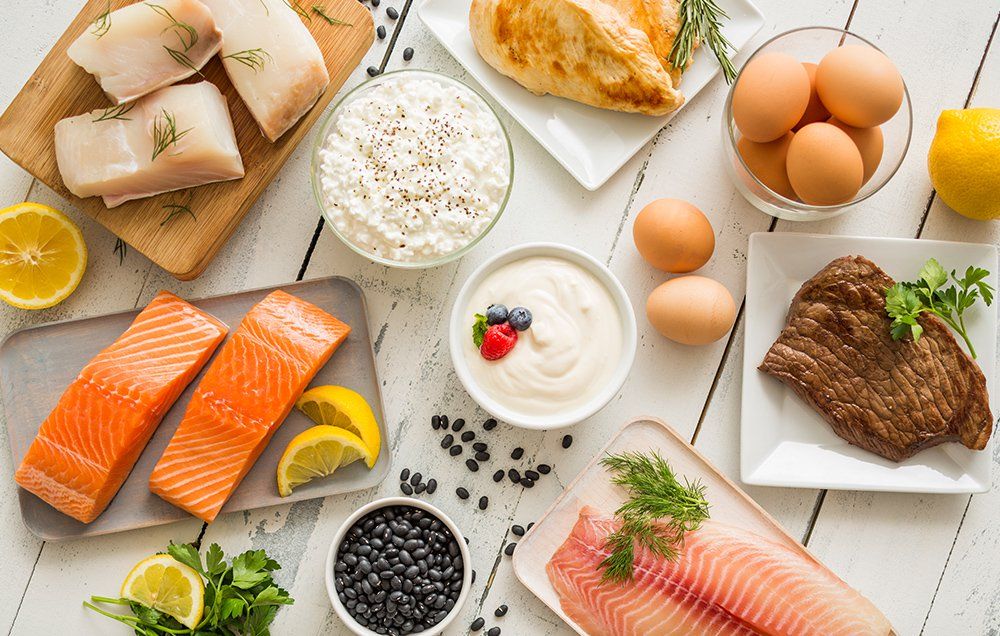
When it comes to incorporating healthy eating habits into your lifestyle, focusing on lean protein sources is essential. These proteins not only help build muscle but also aid in weight management and overall health. Here’s a list of the top 10 lean protein sources you need to try:
- Chicken Breast
- Turkey
- Fish (like salmon and tuna)
- Eggs
- Greek Yogurt
- Quinoa
- Tofu
- Legumes (beans and lentils)
- Lean Cuts of Beef
- Pork Tenderloin
Incorporating these lean protein sources into your meals can help you feel fuller for longer and provide your body with the necessary nutrients it craves. For example, chicken breast and turkey are not only versatile but also low in fat, making them excellent choices for healthy recipes. Additionally, fish like salmon are rich in omega-3 fatty acids, contributing to heart health while still being a fantastic source of protein. Whether you're looking to bulk up or simply maintain a balanced diet, these options will surely enhance your nutrition.
How Lean Protein Can Transform Your Health and Fitness Journey
Lean protein is a crucial component of a balanced diet that can significantly enhance your health and fitness journey. By incorporating sources such as chicken breast, turkey, fish, beans, and legumes into your meals, you can provide your body with the essential amino acids it needs for muscle repair and growth. Increased muscle mass not only boosts metabolism but also aids in weight management. Furthermore, lean protein promotes satiety, helping you feel fuller for longer and reducing cravings for unhealthy snacks. This, in turn, supports your overall dietary goals and leads to better long-term health outcomes.
Incorporating more lean protein in your meals can yield transformative results in terms of fitness performance and recovery. After an intense workout, your muscles require adequate protein to heal and strengthen—making lean protein an essential post-exercise fuel. Here are a few ways to integrate more lean protein into your diet:
- Opt for grilled or baked sources instead of fried.
- Explore plant-based options like quinoa and tofu for variety.
- Snack on Greek yogurt or cottage cheese, which are both rich in protein.
Are You Getting Enough Lean Protein? Here's How to Tell
Ensuring you're getting enough lean protein in your diet is essential for maintaining muscle mass, supporting metabolic health, and aiding in overall recovery. To determine if you're meeting your protein needs, consider the following indicators:
- Energy levels: If you're feeling fatigued or lethargic, it may be a sign that your body is lacking this vital nutrient.
- Muscle health: Difficulty in building or maintaining muscle can indicate insufficient protein intake.
- Recovery time: If your muscles take longer to recover after workouts, you might need to adjust your protein consumption.
Another method to assess your protein intake involves keeping track of your meals and snacks. Aim for a balanced intake throughout the day, ensuring that each meal includes a source of lean protein. Common sources include:
- Chicken breast
- Fish
- Legumes
- Greek yogurt
- Tofu
Experiment with different protein sources and pay attention to how your body responds, noting any changes in strength, endurance, or overall wellness.