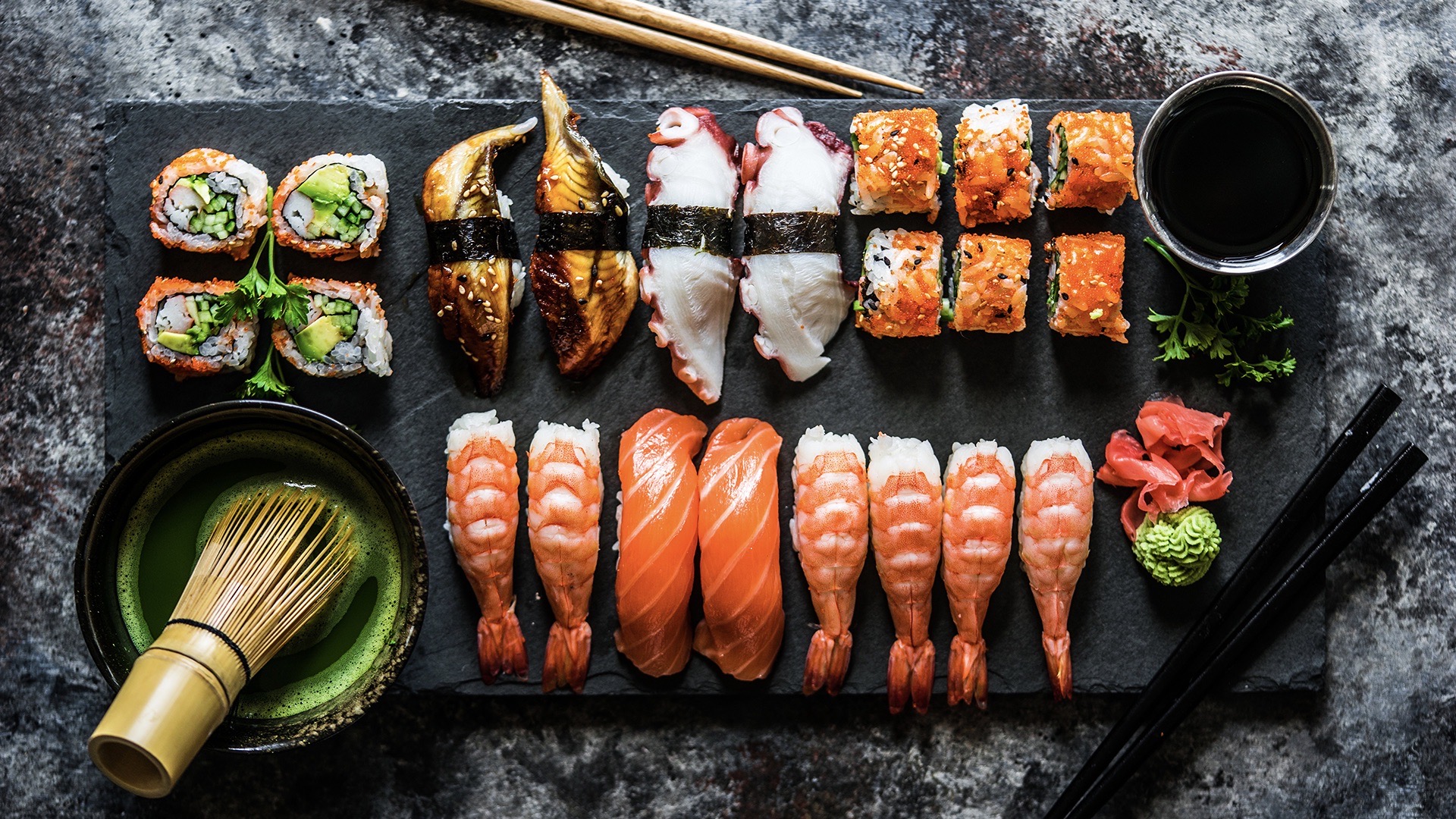
5 Must-Know Techniques to Enhance Your Food Photography
Mastering food photography can elevate your culinary creations and make them irresistible to your audience. Here are 5 must-know techniques that will enhance your food photography skills:
- Lighting: Natural light is your best friend. Use diffused sunlight for softer shadows and more vibrant colors. Avoid harsh overhead lighting that can wash out details. Consider using reflectors to bounce light onto your dish, enhancing the textures and colors.
- Composition: The rule of thirds is a classic technique that can help structure your shots. Position your subject off-center to create a dynamic image. Utilize negative space to draw the viewer's eye to the food, making it the focal point of your photograph.
In addition to lighting and composition, these techniques can further refine your food photography:
- Color Palette: Choose a complementary color palette that enhances the food's appearance. Incorporate props and backgrounds that contrast or harmonize with the dish for a more appetizing presentation. This can make your photos pop and grab the viewer's attention.
- Angle: Experiment with different angles to find the most flattering perspective. Shooting from above can showcase the arrangement of your dish, while a side angle highlights texture and layers. Don't hesitate to try close-ups to capture intricate details!
- Editing: Post-processing is key to achieving a professional look. Use editing software to adjust brightness, contrast, and saturation, but strive to maintain the food's natural colors. Familiarize yourself with editing tools and techniques for a polished final product.
For more detailed tips on lighting and composition, check out Digital Photography School's Food Photography Tips and for editing insights, visit Adobe's Photo Editing Tips.
How to Use Natural Light to Make Your Food Photos Shine
Using natural light effectively can elevate your food photography from mundane to mouthwatering. One of the best times to capture your culinary creations is during the golden hour—shortly after sunrise or before sunset—when the light is soft and warm. To optimize lighting, position your dishes near windows where they can benefit from indirect sunlight. Avoid overhead direct sunlight, as it can create harsh shadows. If you're shooting indoors, consider using sheer curtains to diffuse the light further, which can result in a more balanced exposure. For more tips on capturing the perfect shot, check out Digital Photography School.
When composing your shots, think about how the direction of natural light can highlight the textures and colors of your food. Side lighting can be particularly useful for adding depth, while backlighting can create a beautiful halo effect around your dishes. Experiment with angles and distances; sometimes, a close-up shot can reveal intricate details that make your images pop. To enhance your skills, review resources like Food Photography Guide, which offers valuable insights from experienced photographers.
The Best Color Combinations for Eye-Catching Food Shots
When it comes to food photography, the best color combinations can make a significant difference in how appetizing your dishes appear. One popular combination is the use of warm tones, such as reds, oranges, and yellows, which can evoke feelings of hunger and excitement. For instance, a vibrant plate of pasta topped with a rich tomato sauce can be beautifully complemented by a sprinkle of fresh green herbs. Using colors that contrast can also highlight your dish; consider pairing dark chocolates with bright fruits like strawberries or kiwi to create an eye-catching visual impact.
Additionally, incorporating neutral backgrounds can enhance the color combinations of your food shots. A rustic wooden table or a simple white plate can provide a stunning backdrop for your colorful dishes. Here are some tips for creating visually appealing food photography:
- Balance your colors: Use a mix of complementary colors, such as blue and orange or green and red, to create harmony.
- Use natural light: Natural light can help bring out the true colors of your ingredients, making them more vibrant.
- Experiment with props: Add colorful utensils or napkins to enhance the overall composition.
For further guidance on enhancing your food photos, visit Food Photography Blog for expert tips.