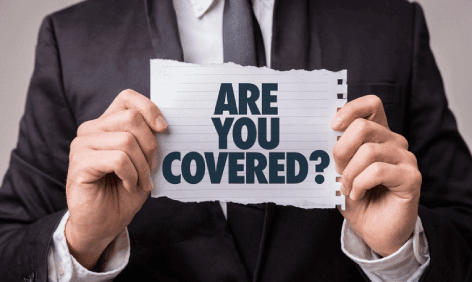
Understanding Your Policy: What You Need to Know About Coverage
Understanding your insurance policy is crucial for ensuring you have the right coverage for your needs. Many people overlook the fine print and specific terms, leading to misunderstandings when it's time to file a claim. Here are key elements you should focus on:
- Policy Limits: Know the maximum amounts your insurer will pay for various types of claims.
- Deductibles: Understand how much you will need to pay out of pocket before your coverage kicks in.
- Exclusions: Familiarize yourself with what is not covered under your policy to avoid surprises.
For more detailed guidance, visit Investopedia.
Moreover, a thorough understanding of your coverage can help you make informed decisions about your policy options and avoid potential pitfalls. It’s essential to regularly review your coverage, especially after significant life events like buying a home or starting a family. Consider discussing your options with a professional who can help you tailor your policy to better suit your changing needs. Resources such as Consumer Reports provide excellent insights on how to evaluate and compare different policies effectively.
Common Myths About Insurance Coverage Debunked
When it comes to insurance coverage, numerous myths circulate, leading to misunderstandings about what policies can truly offer. One common myth is that homeowners insurance covers all types of damage, including natural disasters. In reality, standard policies often exclude damages caused by earthquakes and floods, which require separate coverage. For a detailed explanation, you can check out this resource.
Another widespread misconception is that health insurance is only necessary for emergencies. In truth, regular check-ups and preventive care are essential for maintaining long-term health and can be significantly more affordable than waiting until a serious issue arises. According to the Healthcare.gov, many insurance plans cover preventive services at no additional cost, debunking the myth that health coverage is only for emergencies.
Is Your Current Insurance Enough? Key Questions to Consider
When evaluating insurance coverage, it's crucial to ask yourself: Is your current insurance enough? Start by considering the types of coverage you have in place. For instance, do you have sufficient health insurance to cover medical emergencies? Are your auto and property policies comprehensive enough to protect you against potential liabilities? According to Insurance.com, understanding the different types of coverage can help you make informed decisions about what modifications you might need.
Next, assess the value of your assets and whether your current policy limits align with that value. If you've made significant purchases or improvements, it's essential to update your policy to reflect these changes. Additionally, consider if you have adequate liability coverage to protect yourself financially in case of unforeseen events. To dig deeper into your coverage needs, check out this insightful guide on Nolo. By answering these questions and seeking expert advice, you can ensure that your insurance protection is up to par.