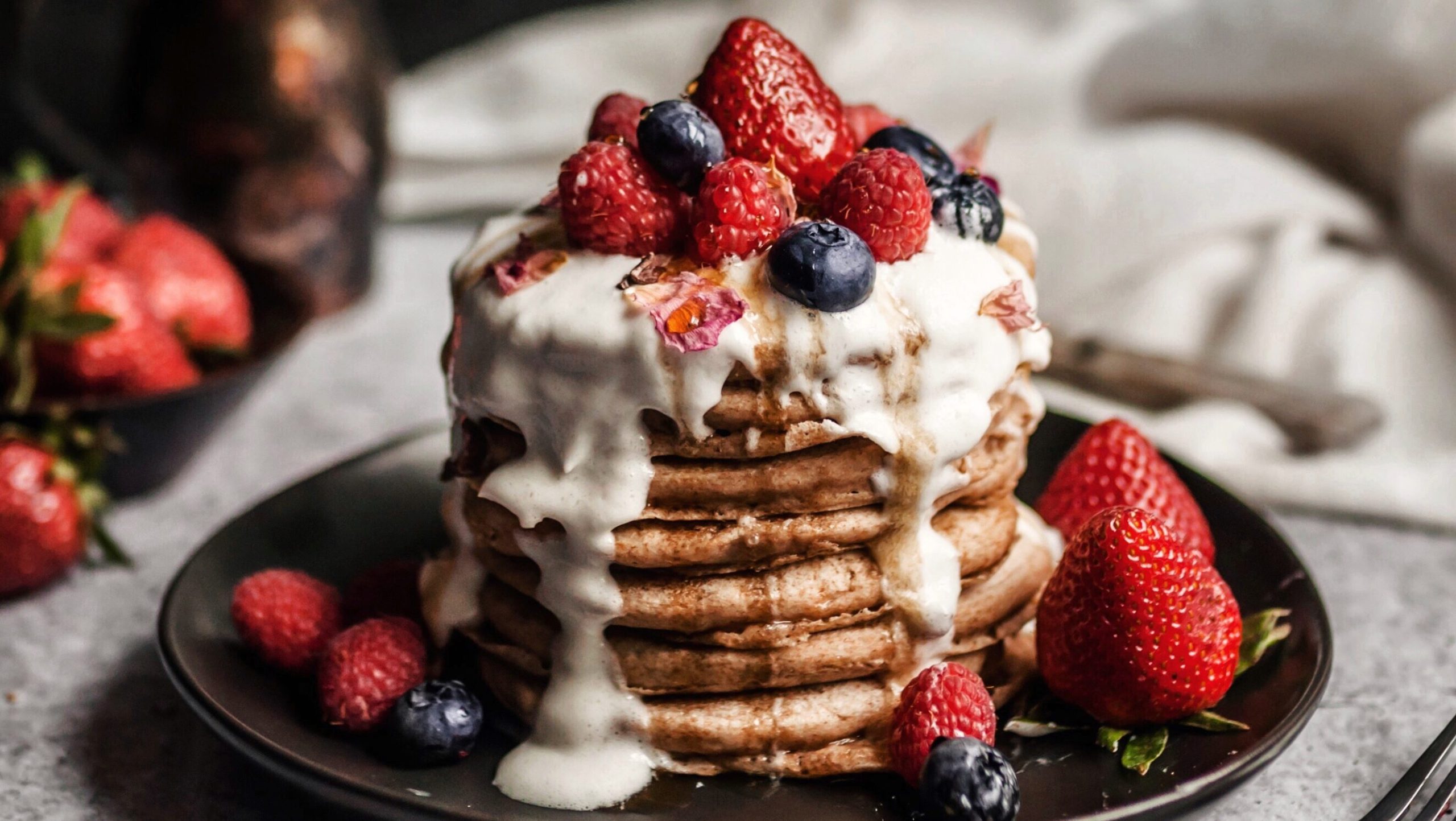
10 Tips for Capturing the Perfect Food Photograph
Capturing the perfect food photograph requires a keen eye and the right techniques. Here are 10 tips to help you elevate your food photography:
- Choose the Right Lighting: Natural light works best for food photography. Shoot during the day when you can utilize soft, diffused light to enhance textures and colors.
- Use the Right Angles: Experiment with different angles—overhead shots are great for flat lays, while eye-level shots work well for capturing depth.
- Staging the Scene: Pay attention to the composition. Use utensils, props, or ingredients to create an inviting scene that tells a story.
- Focus on Texture: Highlight the textures of the food by using close-ups and ensuring focus on the most appealing parts.
- Play with Colors: Complement or contrast colors to make your dish pop. Use colorful fruits or garnishes for added vibrancy.
Once you've mastered the basics, consider these additional tips:
- Keep it Simple: Avoid cluttering your frame with unnecessary items that may distract from the food.
- Edit Thoughtfully: Use editing software to enhance brightness, contrast, and saturation, but be mindful not to over-edit.
- Experiment with Depth of Field: A shallow depth of field can create a pleasing blur effect, allowing the viewer to focus on the main dish.
- Practice Patience: Great shots often come from waiting for the perfect moment. Allow the food to settle or cool if needed to achieve the best results.
- Seek Inspiration: Explore resources like Food52 and Instagram Food Photography for inspiration and tips from other food photographers.
How to Create Memorable Meals: A Guide to Flavor and Presentation
Creating memorable meals begins with understanding the importance of flavor and presentation. Flavor is not only about the ingredients you use but also how they are combined. Consider incorporating various flavor profiles such as sweet, salty, sour, and bitter to create a balanced dish. You may refer to Serious Eats for a deeper dive into flavor essentials. Additionally, presentation plays a crucial role in how your meal is perceived. A well-plated dish can elevate the dining experience, making even the simplest meal unforgettable.
To enhance both flavor and presentation, follow these tips:
- Choose Quality Ingredients: Fresh, high-quality ingredients are fundamental. Explore local farmer's markets for seasonal produce.
- Experiment with Colors: Incorporate a rainbow of vegetables to make your plate more appealing and nutritious.
- Plate with Purpose: Use contrasting colors and textures when arranging food on the plate. For inspiration, check out Food Network's plating techniques.
Why Food Styling Matters: Transforming Everyday Dishes into Visual Feasts
Food styling is not merely about making dishes look appealing; it plays a crucial role in enhancing the overall dining experience. In today's visually driven culture, where platforms like Instagram and Pinterest dominate, the presentation of food can significantly influence people's perceptions and choices. According to a Food & Wine article, well-styled dishes spark curiosity and encourage sharing, ultimately increasing engagement and visibility for chefs and home cooks alike. By understanding the fundamentals of food styling, anyone can transform their everyday meals into stunning visual feasts that capture attention and elevate the everyday dining experience.
Moreover, food styling emphasizes the importance of colors, textures, and plating techniques that highlight a dish's unique characteristics. A well-styled plate not only looks good but also tells a story about the flavors and ingredients featured. As noted in a The Spruce Eats guide, artistic arrangements, the use of props, and garnishing can significantly change how a dish is perceived, enticing diners before they even take a bite. By putting thought into how food is presented, individuals can inspire others to appreciate the beauty of their meals and perhaps recreate them at home, expanding the reach and impact of their culinary creations.